



15 February 2004
The Art of Shi Lu
“In the words of ancient Chinese scholars, Shi Lu’s paintings are all masterpieces achieved through his ‘thousands of ingenious thoughts, seamlessly integrating and comprehending.’ ” – Wang Chuan
EVENT HIGHLIGHTS
The Art of Shi Lu
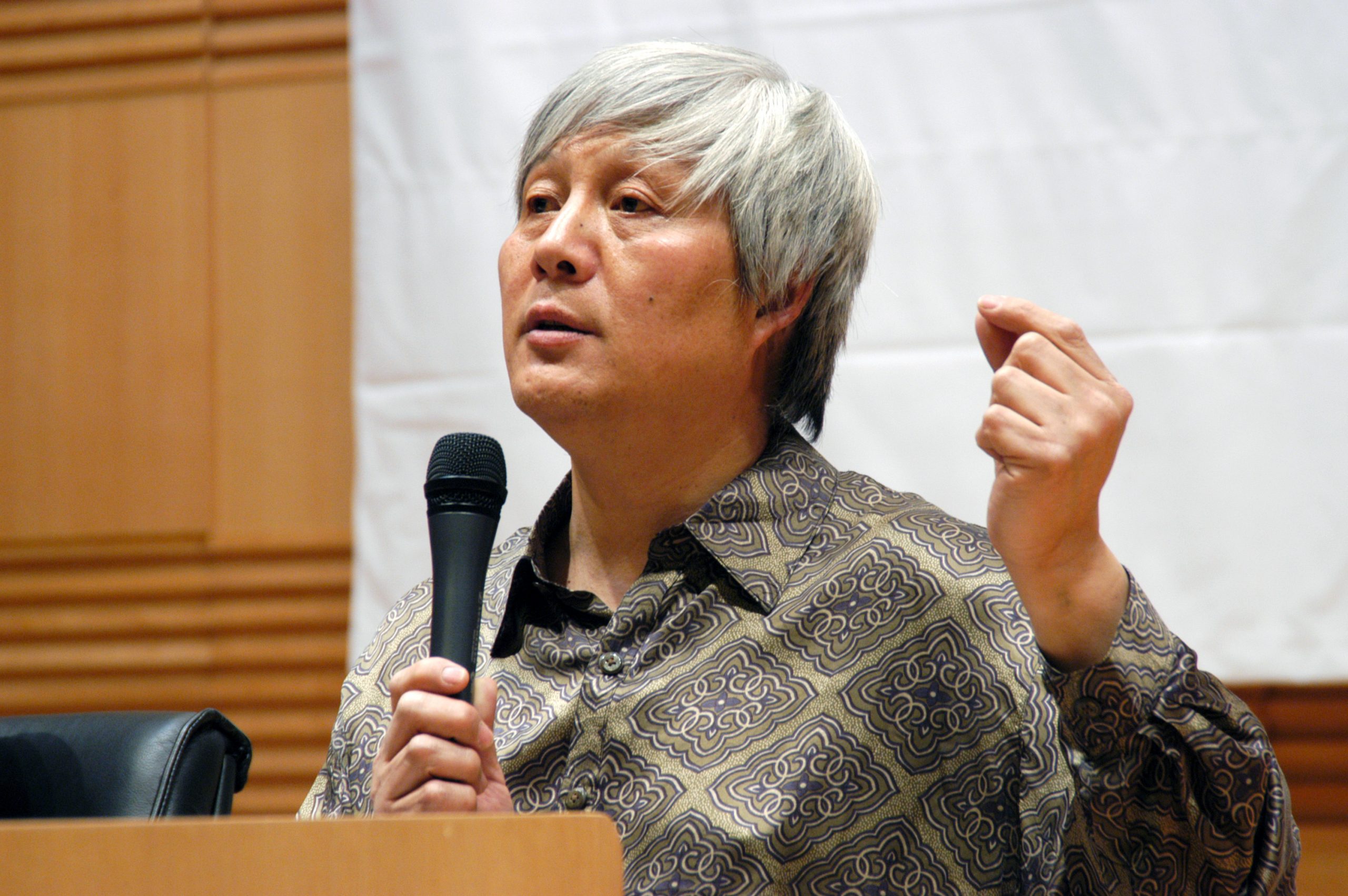
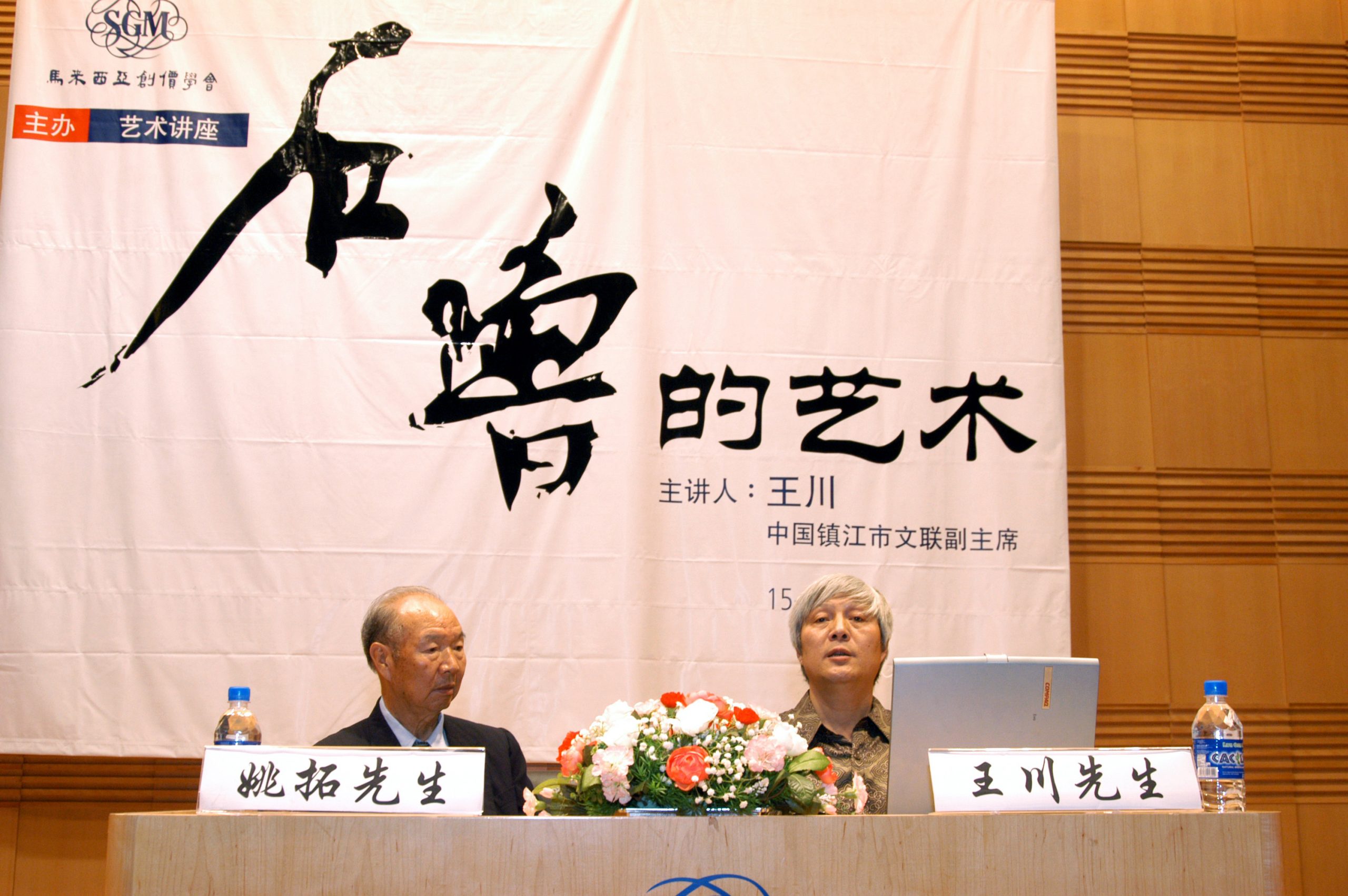
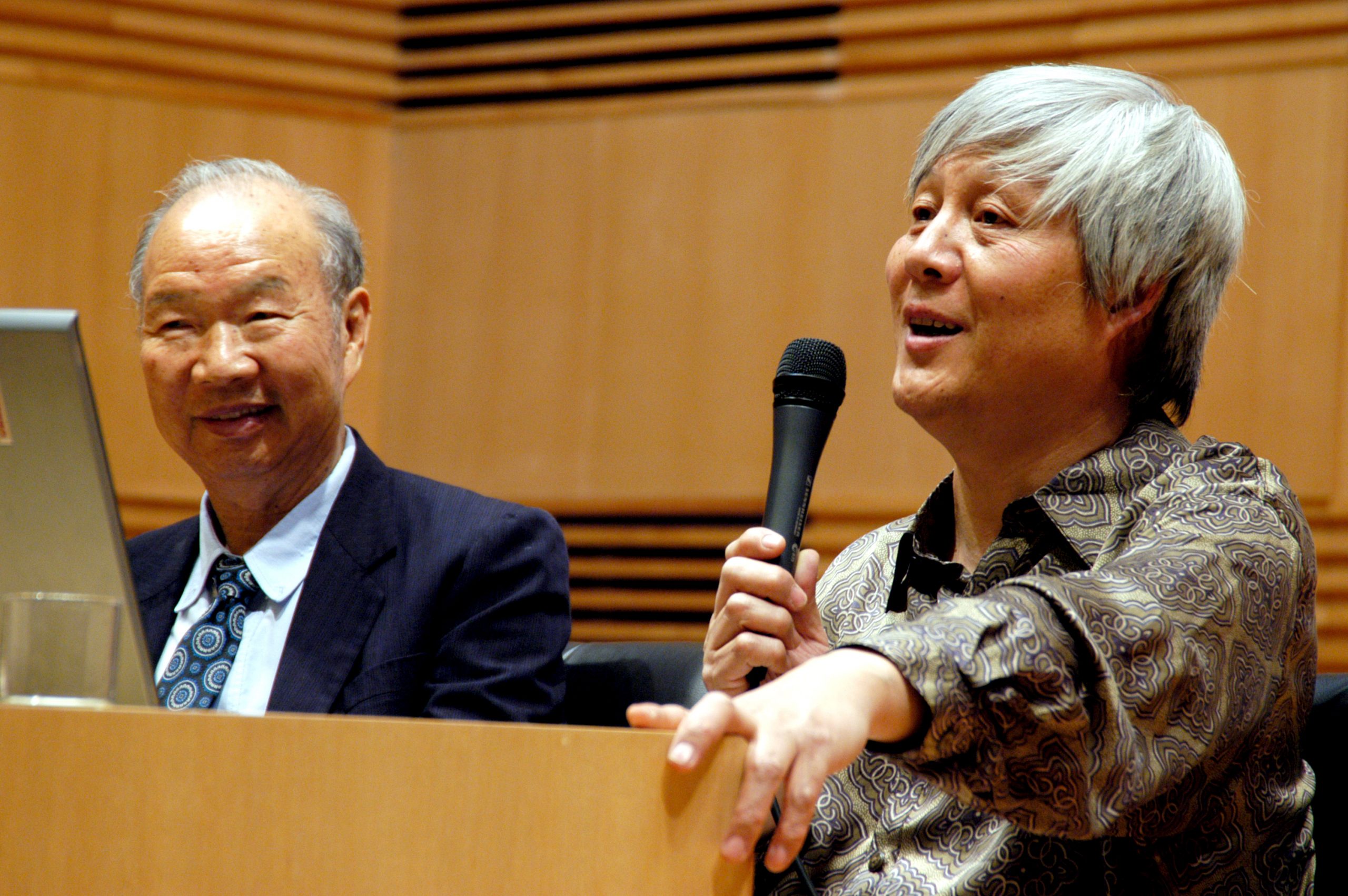
Soka Gakkai Malaysia (SGM) organised a lecture on the art of Shi Lu on February 15, 2004, at Wisma Kebudayaan SGM. The talk was delivered by Mr. Wang Chuan, Vice Chairman of the Zhenjiang City Federation of Literary and Art Circles in China, a renowned artist and writer.
Wang Chuan (1947—) is a native of Zhenjiang City, Jiangsu Province, China. He is a member of the China Writers Association and the China Artists Association, as well as an expert in the expert group of the Zhenjiang Municipal Government. Holding various positions, he serves as the Vice Chairman of the Zhenjiang City Federation of Literary and Art Circles, Chairman of the Zhenjiang City Writers Association, Director of the Jiangsu Writers Association, and Director of the Jiangsu International Cultural Exchange Center. He has also served as the Vice President of the Jiangsu Printmakers Association. Engaging in both literary and artistic creation, his artistic works primarily include prints, murals, and heavy-colour paintings, while his literary works consist mainly of novels and essays. Wang Chuan has created and published three million words of literary works to date, with ten books and an art album published. He was awarded the “Highest Achievement Gold Award” by the Hunedoara County Council in Romania for his achievements in literature, art, and culture. His novel “White-Haired Madman” was nominated for the “People’s Literature Award,” and his mural “The Legend of the White Snake” received the “Excellent Work Award” at the First National Mural Art Exhibition. Representative works include “White-Haired Madman,” “Wild Monster’s Gibberish about Shi Lu,” “The Great Encyclopedia of Beauty and Ugliness,” “One Buddha, One World,” and “Five-Color Corridor.”
Wang Chuan’s uncle, Guo Qi (former president of Northwest University), and Shi Lu were hometown classmates. During the war, they were comrades in Yan’an, and later, as they entered the city, they became leaders in the Northwest literary and art circles. Wang Chuan’s uncle was Mr. Shi Lu’s leader and close friend, and all of Shi Lu’s albums and books had prefaces written by Guo Qi. Wang Chuan began writing articles about Shi Lu during his lifetime, and three to four months after Shi Lu’s death, Wang Chuan contributed articles to a memorial special edition published by the Hong Kong Wen Wei Po. The publication also featured images collected by Wang Chuan. Therefore, it was most fitting for him to be the main speaker on Shi Lu’s art.
Wild, Strange, Chaotic, Black – Shi Lu
Shi Lu (1919–1982), originally named Feng Yaheng, styled Yongkang, was born into the prominent Feng family in Songlinwan, Wengong Township, Renshou County, Sichuan Province, ranking ninth among his siblings. In his later years, he adopted the seal inscription “Fengmen Jiuzi” (The Ninth Son of the Feng Family). In the summer of 1934, he enrolled in the Chinese Painting Department of the East Sichuan School of Fine Arts in Chengdu. In the fall of 1937, Mr. Shi Lu worked as a primary school teacher, organising students to participate in anti-Japanese propaganda activities. The following year, he audited courses in the History and Sociology Department of West China Union University. Simultaneously, he was among the earliest group of painters (1955-1956) sent to India and Egypt for sketching and painting. He held various positions, including Executive Director of the China Artists Association, Executive Director of the China Calligraphers Association, Chairman of the Shanxi Artists Association, Chairman of the Shaanxi Provincial Calligraphers Association, Honorary President of the Shaanxi Provincial Chinese Painting Academy, and committee member of the China National Academy of Painting. He authored “Shi Lu’s Painting Record” and the film script “Eagle in the Storm,” among others.
Before the arrival of the new millennium, the China Artists Association organised a selection of influential and masterful Chinese painters of the 20th century. After intense voting, 13 masters were chosen, including Shi Lu. Wang Chuan mentioned that this result sparked controversy as many admired painters did not make the cut. First, he emphasised that it was a selection for Chinese painting. Second, he pointed out two crucial criteria for a master: a highly distinctive personal style and the establishment of a leading school. Shi Lu pioneered the Chang’an painting school. In the 1960s, only two new painting schools emerged in China: the Chang’an School, represented by Shi Lu and Zhao Wangyun among Northwestern artists, and the New Jinling School in the Southeast, led by Fu Baoshi.
Shi Lu is among the most tragic, dramatic, and legendary of the 13 masters. Criticised early in his career for his distinctive style, he later suffered from schizophrenia. During the Cultural Revolution, he faced struggles with the Gang of Four. As a result, Shi Lu is also hailed as the ‘Van Gogh of China,’ and his paintings are known as ‘Wild, Strange, Chaotic, Black.’ Wang Chuan showcased Shi Lu’s early and later works, noting that his early pieces were conventional, but in his later years, he added, modified, and embellished his original works with numerous abstract doodles.”
Shi Lu’s Artworks
When mentioning Shi Lu, one cannot overlook his renowned masterpiece, “Marching into Northern Shaanxi” . With this painting, he founded a school and became the first artist to capture the beauty of the Loess Plateau. Simultaneously, the artwork offered a fresh interpretation of Chinese figure painting, landscape painting, and historical painting. The composition of this painting was considered innovative and bold at the time, earning it widespread acclaim. An incident occurred when a marshal visited a museum and offered his perspective, stating that Shi Lu portrayed Mao Zedong as being in a precarious and desperate situation. Due to the usage of “Marching into Northern Shaanxi” as the cover for the “Selected Works of Shi Lu,” and the marshal’s comment, the publication was banned. The criticism of this painting intensified during the Cultural Revolution, and Shi Lu faced numerous struggles, even undergoing public denunciation.
During the art talk, Wang Chuan also analysed Shi Lu’s paintings depicting the Yellow River and the Loess Plateau, examining his use of colour, creative inspiration, and associations in his artwork. He described Shi Lu’s creative process with the ancient saying, “thousands of ingenious thoughts, seamlessly integrating and comprehending.” Additionally, he pointed out the significance of “Beyond the Ancient Great Wall,” where Shi Lu depicted the invisible on a visible canvas. In this piece, the joy of the herders and the panic of the sheep are evident because the newly constructed Lanzhou-Xinjiang Railway has extended beyond the ancient Great Wall. While many artists depicted scenes of trains passing through the Lanxin Railway, “Beyond the Ancient Great Wall” omitted the train itself. Instead, through the herders covering their ears and the sheep running towards the mountains, the painting conveyed the arrival of the train through other visual elements. This exemplifies the concept of “the brush doesn’t touch it, but the meaning is conveyed.”
In conclusion, Wang Chuan showcased some of Shi Lu’s paintings, calligraphy and artworks both from his uncle’s collection, and his own.Wang Chuan expressed a desire to share more stories about Shi Lu, highlighting the richness of the artist’s life, given the opportunity.