


C.N. Liew: Between Dialogues
“Dialogue” in CN Liew’s work is more than a singular artistic language. It is a revelation — a state of being that must remain ongoing.
The “Dialogue” at the heart of this exhibition is not about erasing differences, but about acknowledging and respecting them while seeking possibilities for coexistence and co-creation across those divides.


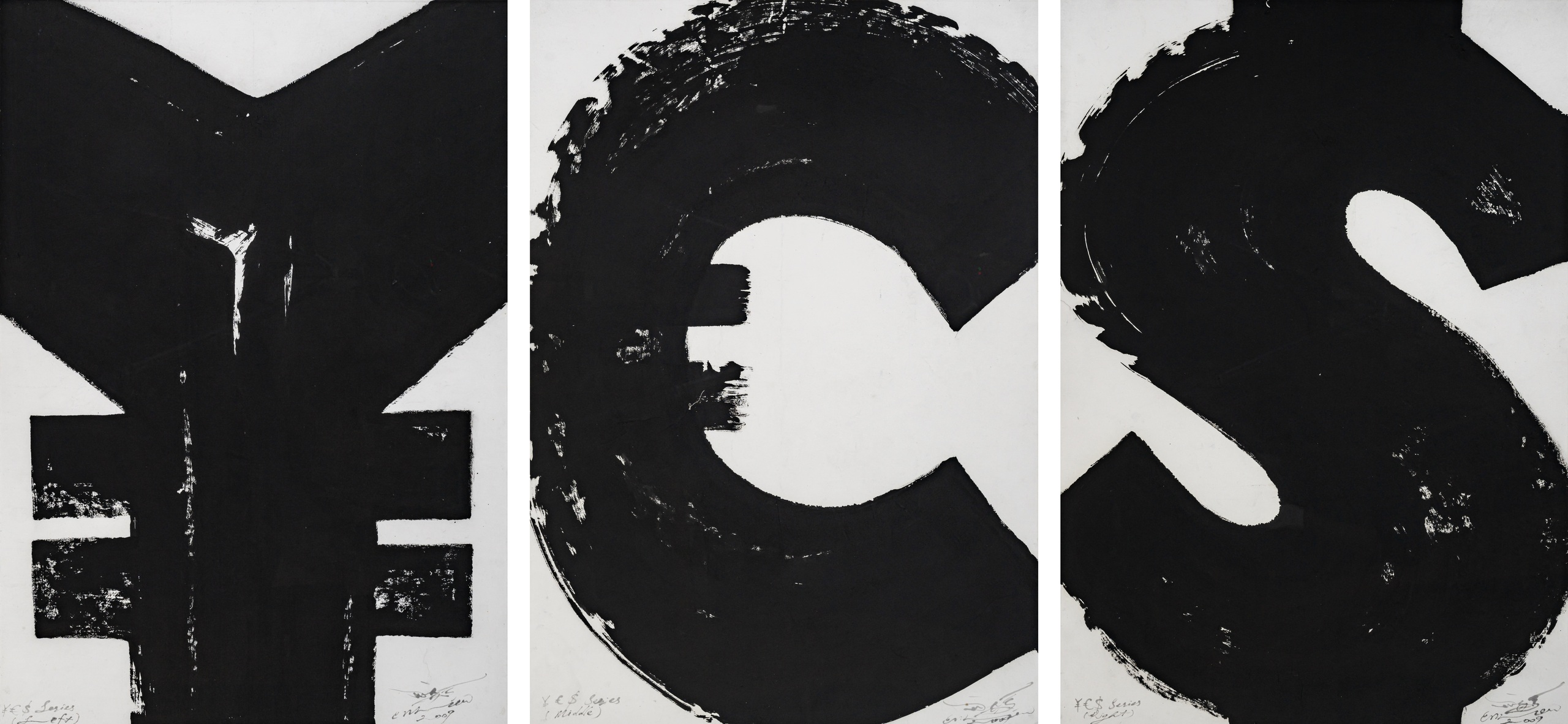
¥€$(YES) — Unity as a Boundary
Medium :
Dimension :
Year :
Ink on rice paper
108.5 x 75.5 cm x 3 pcs
2009
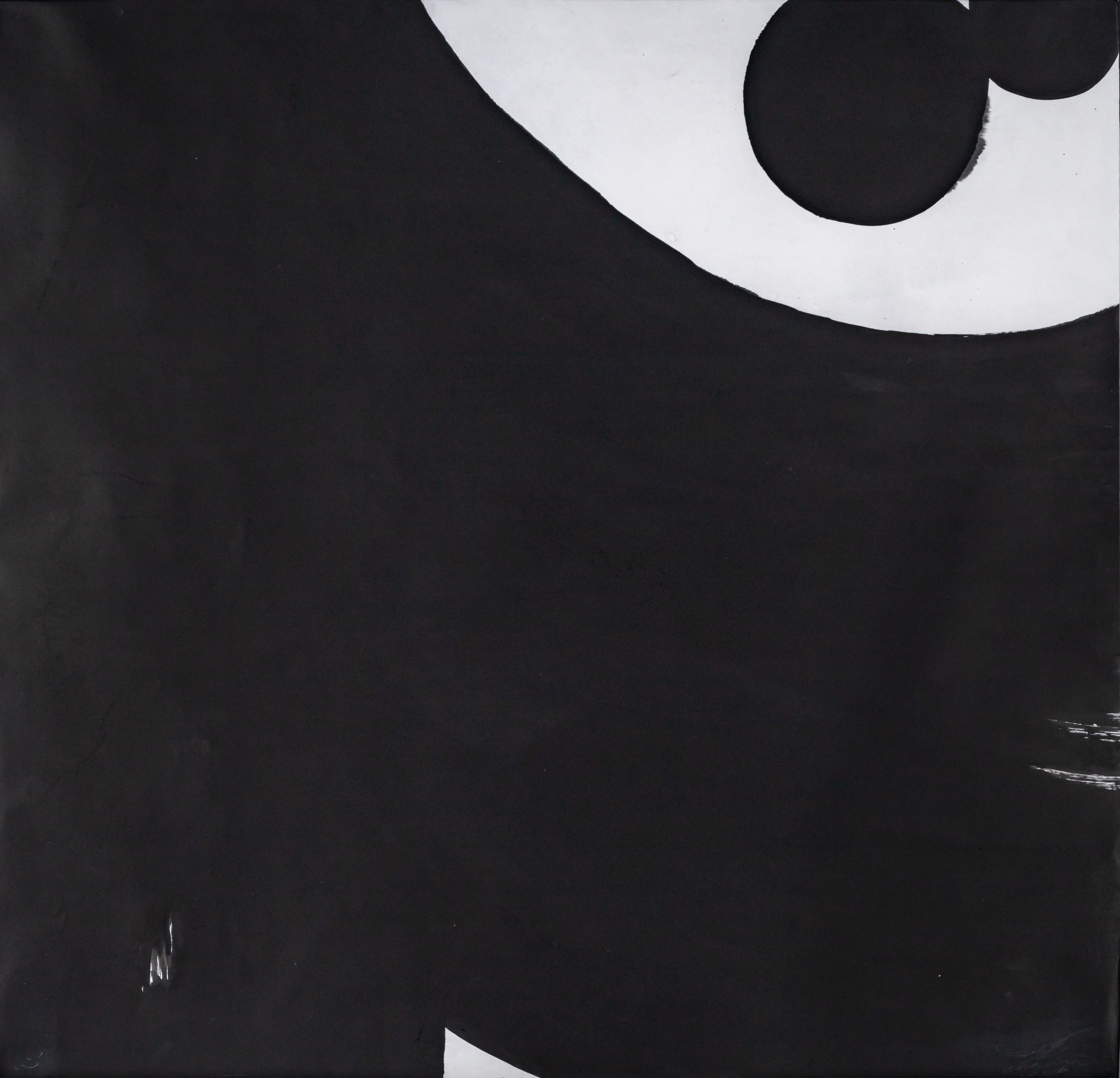
Mind
Medium :
Dimension :
Year :
Ink on rice paper
110 x 115 cm
2026
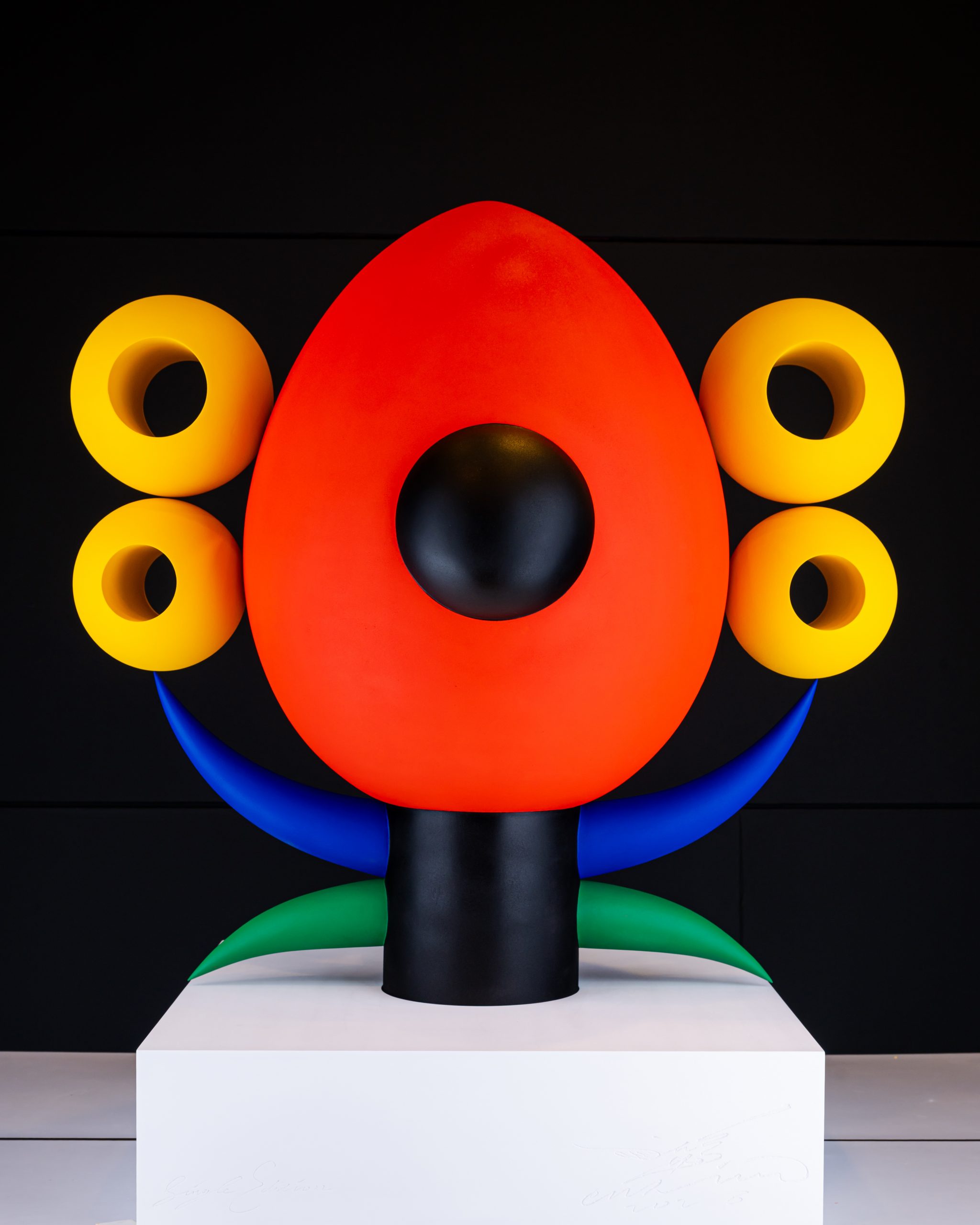
Joyfulness "Surrealligraphy" Sculpture
Medium :
Dimension :
Year :
Fibre-Reinforced Plastic (FRP)
110 x 96 x 69 cm
2026
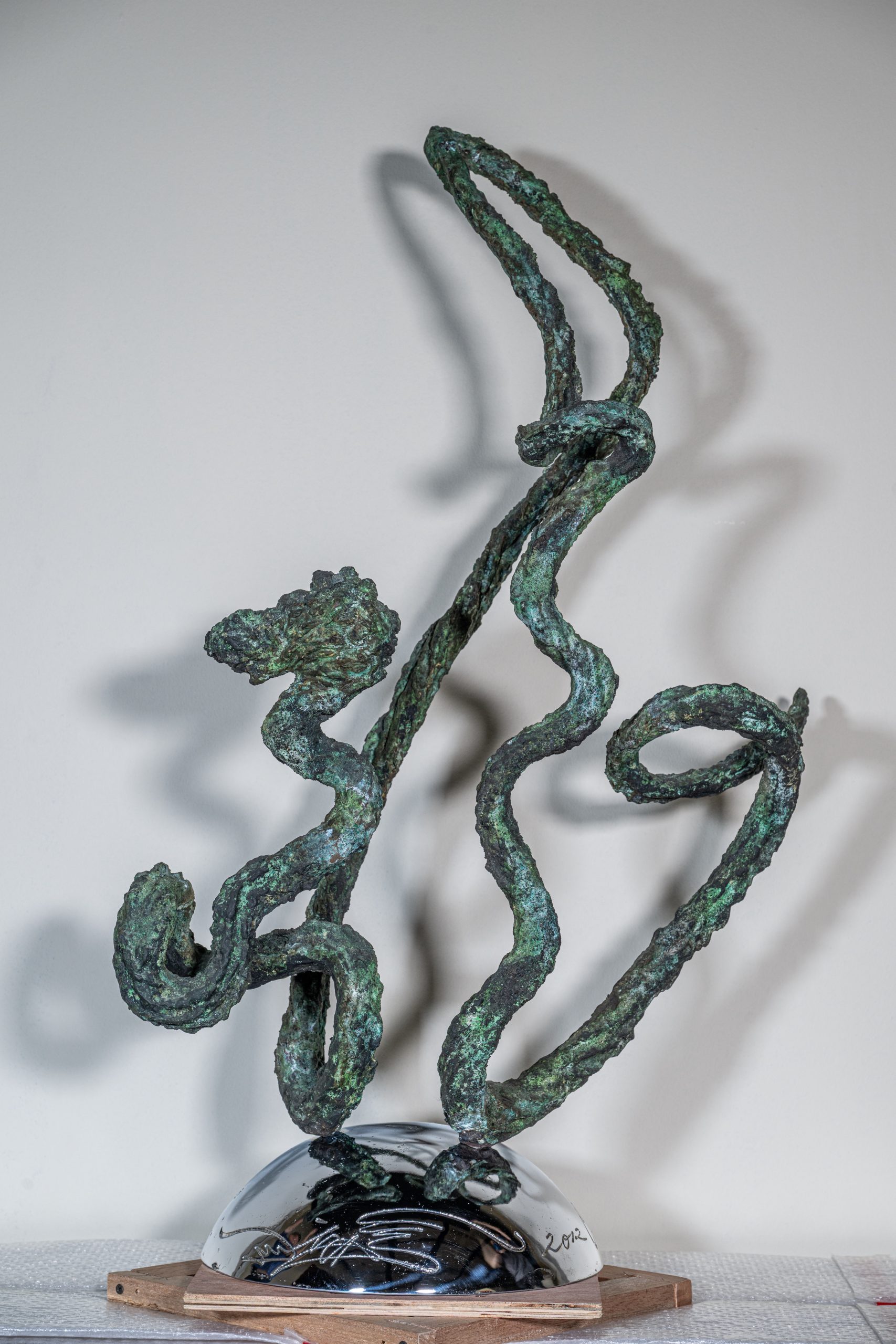
"Dragon" Calligraphy Sculpture
Medium :
Dimension :
Year :
Bronze
96 x 59 x 32 cm
2012
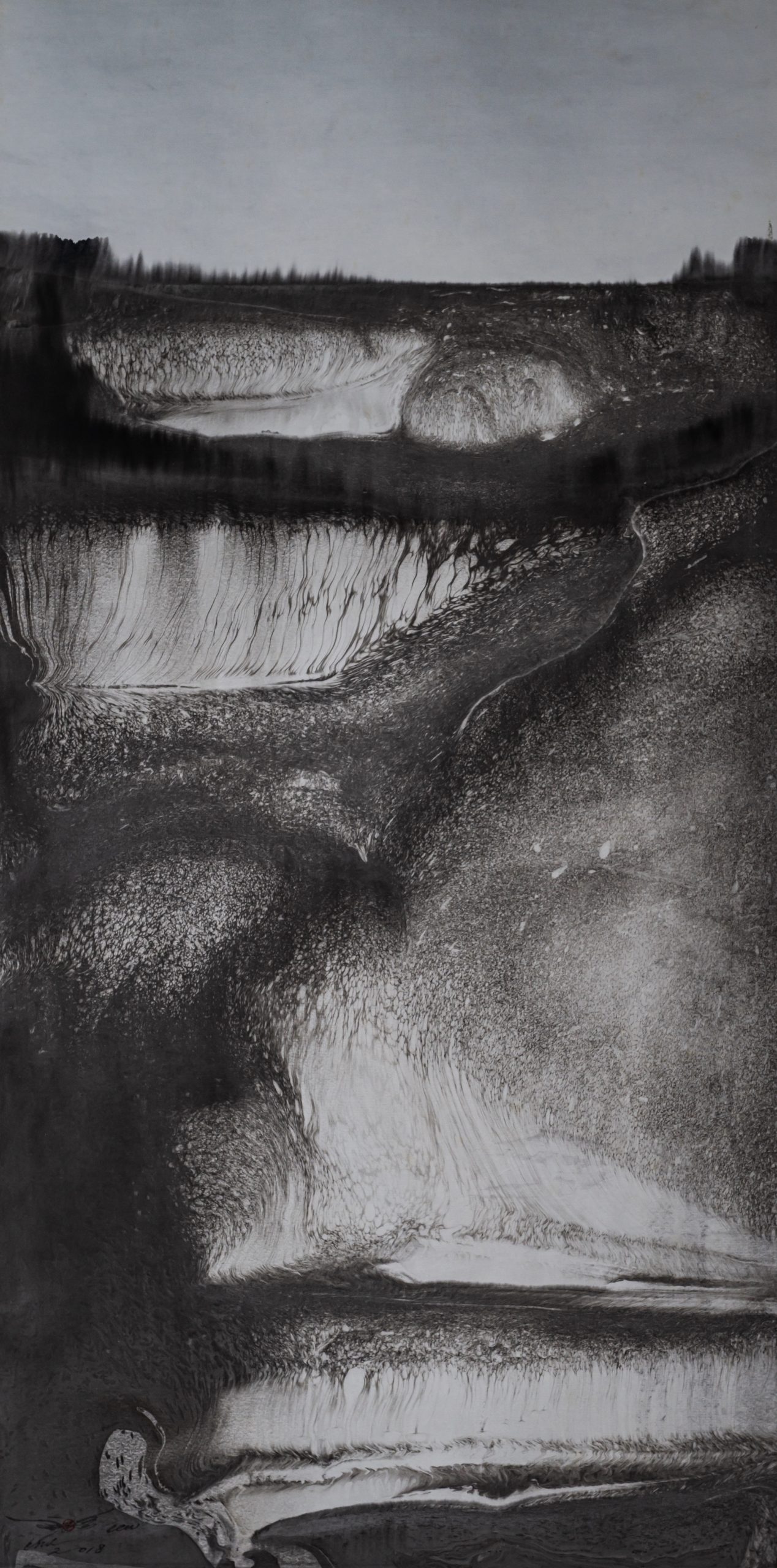
Stream of Consciousness 3
Medium :
Dimension :
Year :
Ink on Rice Paper
137 x 69 cm
2018
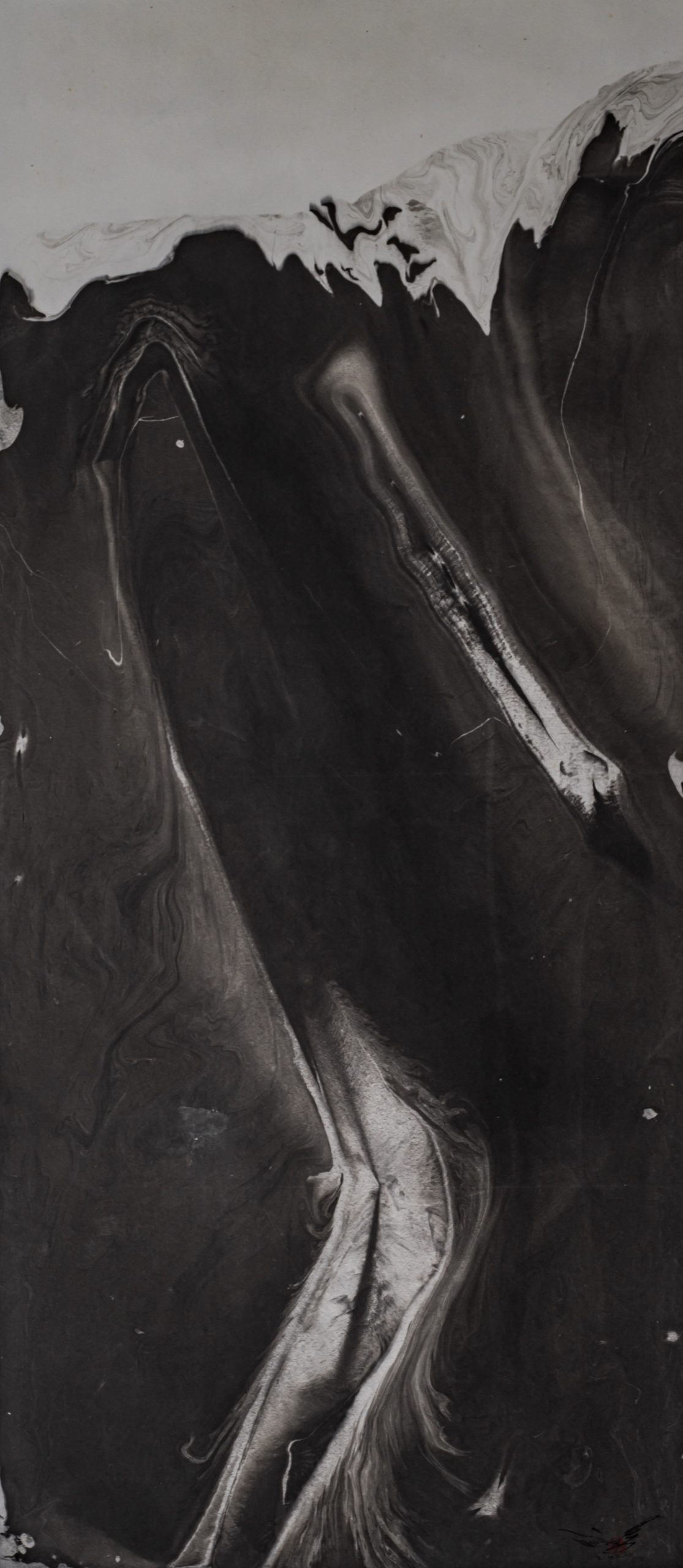
Realm of Wisdom
Medium :
Dimension :
Year :
Ink on Rice Paper
97 x 43 cm
2002
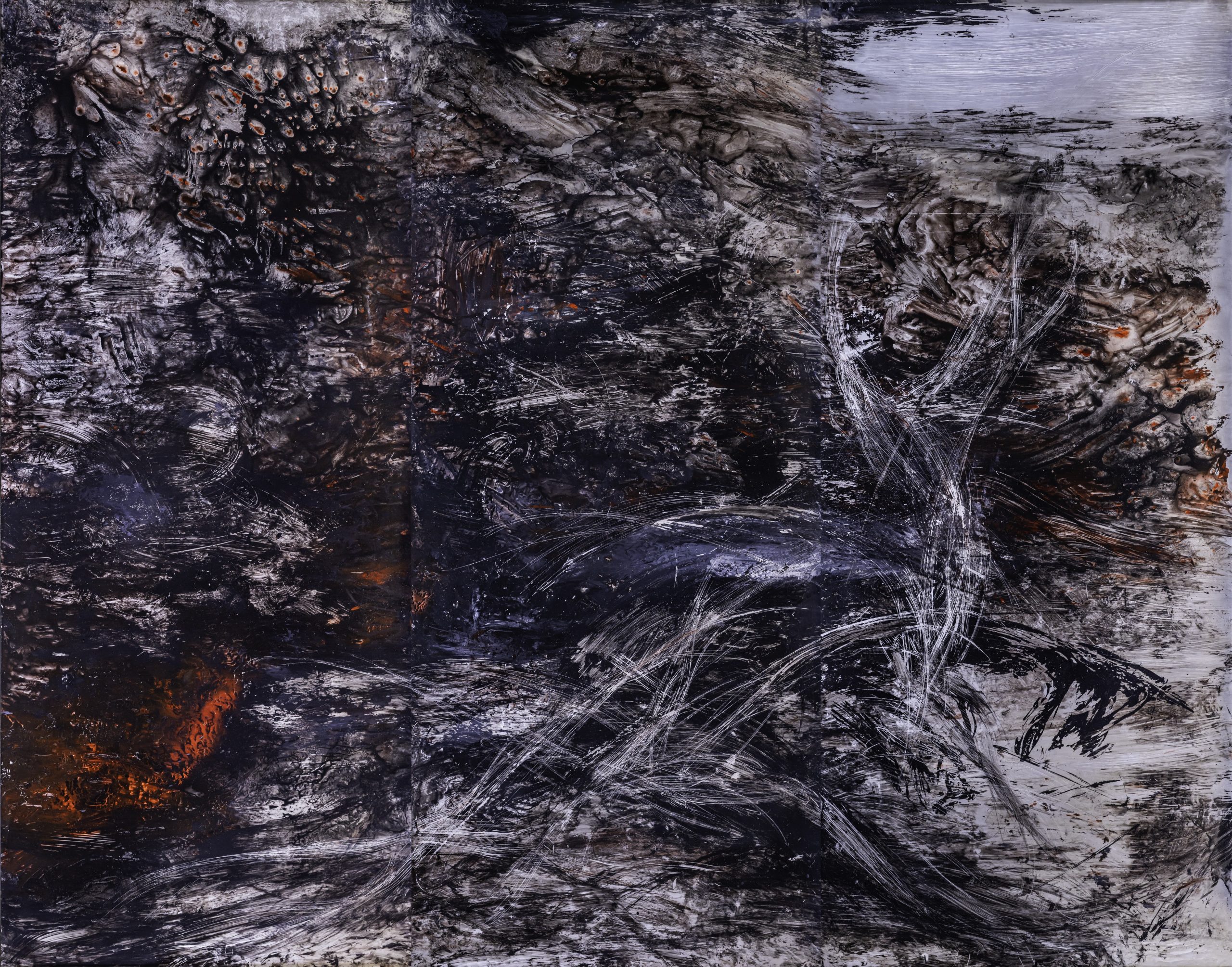
Border 14 ・Aesthetic Imagery
Medium :
Dimension :
Year :
Ink and Mix Media on Metal
276 x 210 cm x 3pcs
2020
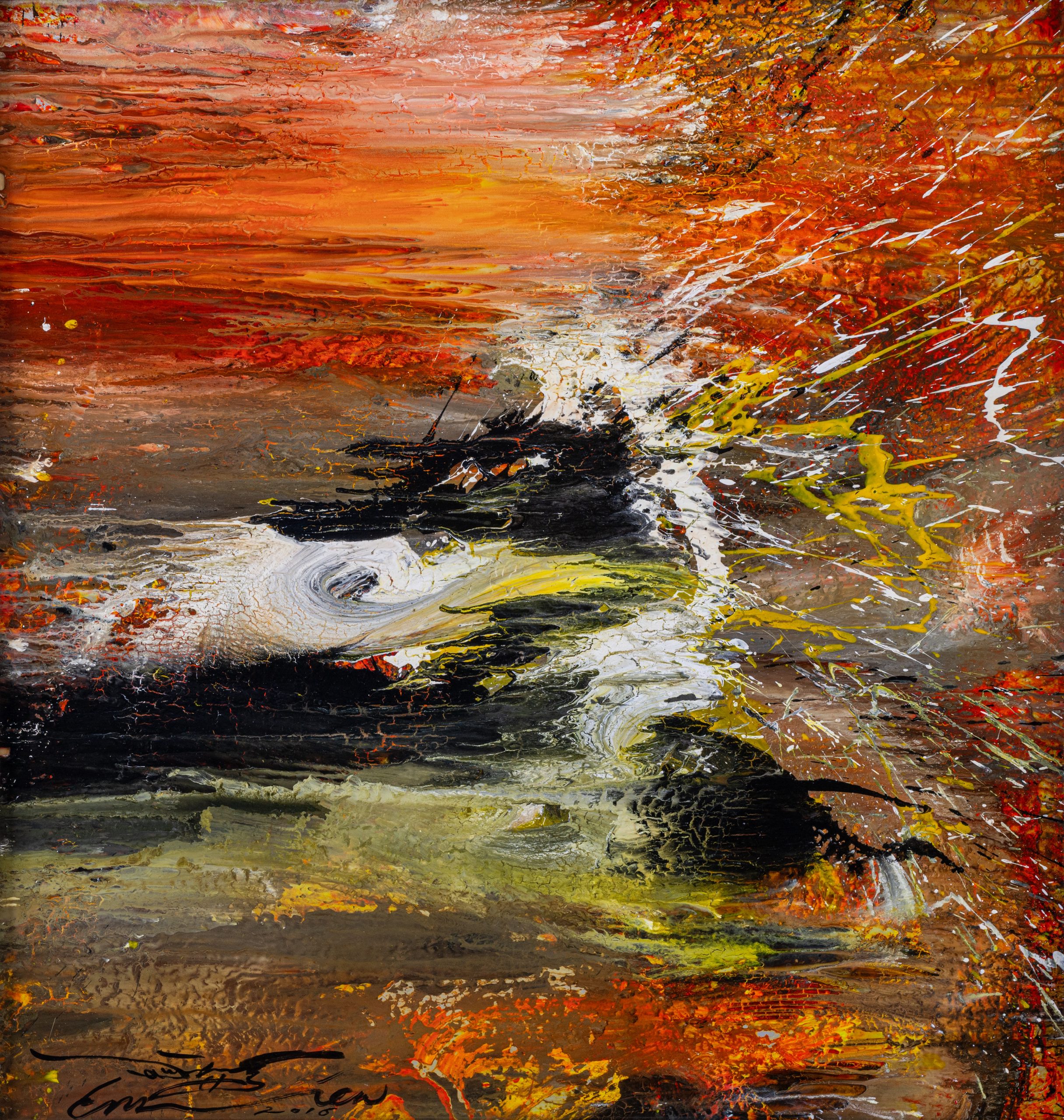
Mist & Cloud Upon The Xiao & Xiang Rivers from The Sacred Text of Qin — Dialogue with Guan Pinghu's Ancient Qin Song
Medium :
Dimension :
Year :
Acrylic on Metal
76 x 72 cm
2016
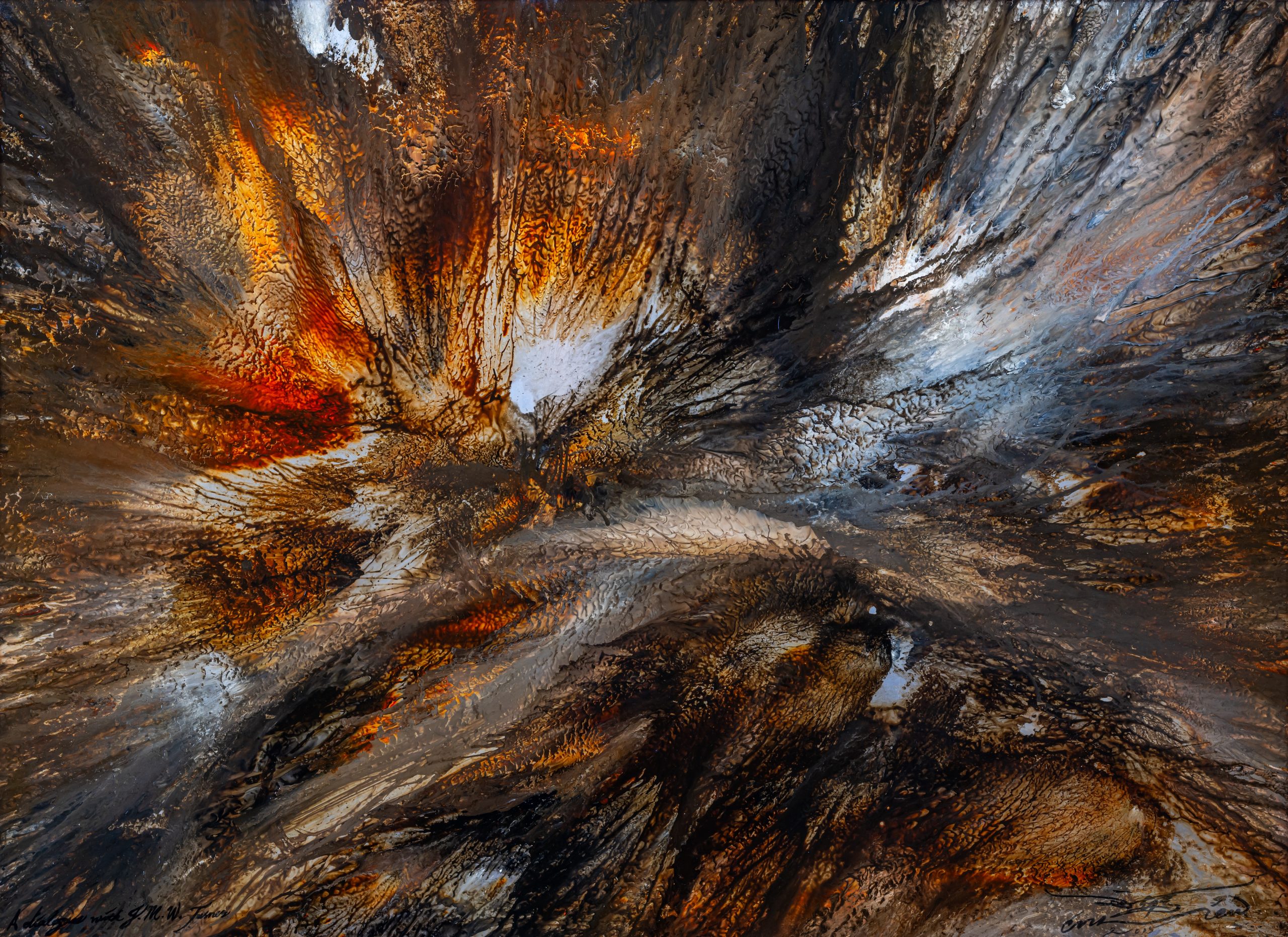
Dialogue with J.M.W. Turner
Medium :
Dimension :
Year :
Mixed Media on Metal
110 x 150 cm
2015
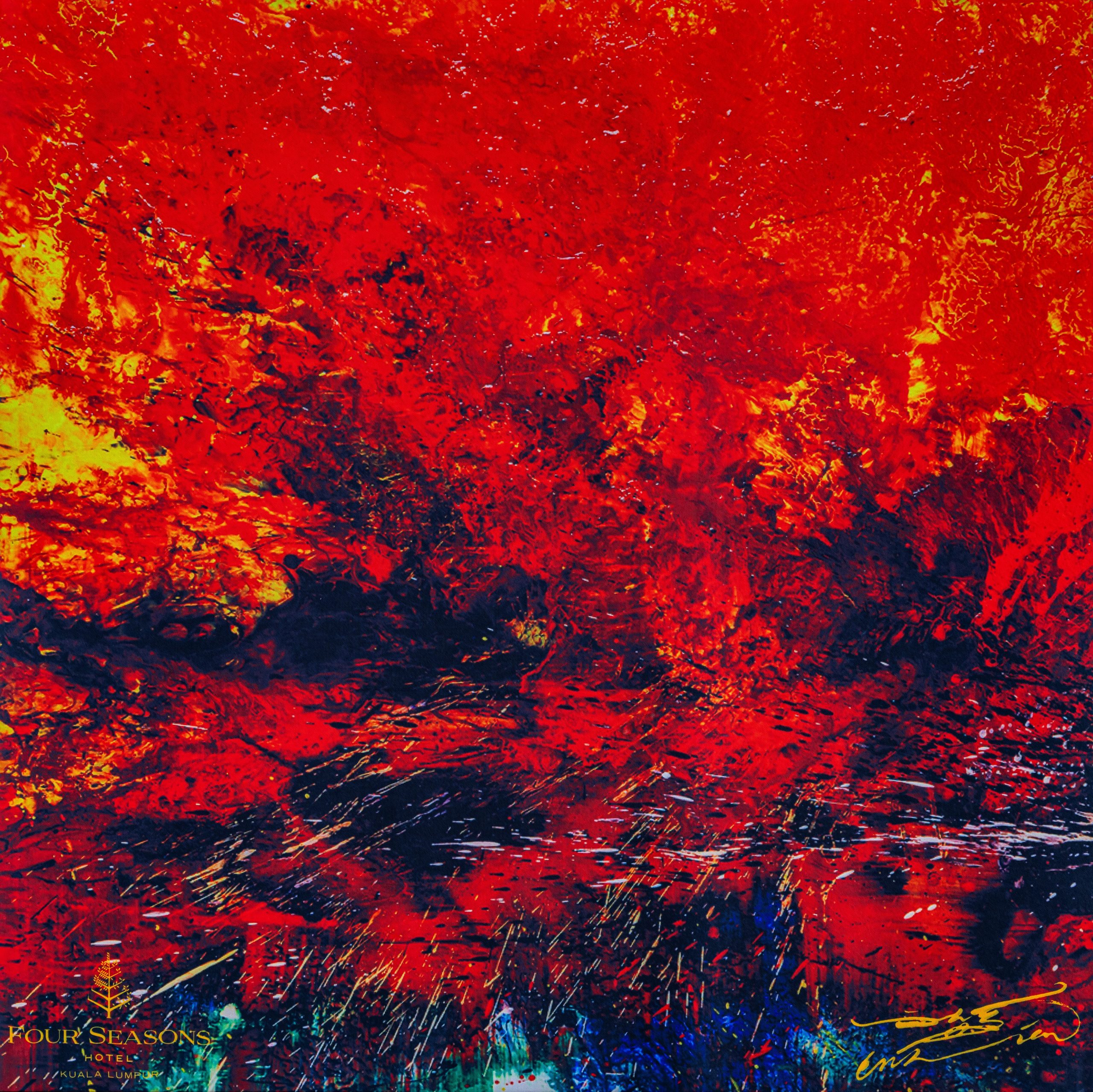
C.N. Liew Collaboration with Four Season Hotel Kuala Lumpur
Medium :
Dimension :
Year :
Silk Print (Limited Edition)
60 x 60 cm
2025
Exhibition Introduction
Curator Vicky Ho
What is “Dialogue”?
Perhaps dialogue does not begin with consensus, but with differences. It does not necessarily take place through words; it can also exist in the mutual encounter between materials, forms, cultures, and ideas, as well as in the contemplation that sparks within when people encounter works of art.
The artistic practice of C.N. Liew has always unfolded through the interplay of diverse elements.
Beginning with traditional Chinese calligraphy, he refuses to be bound by its conventional boundaries. Working with the brush, he liberates the written word into the contexts of painting, sculpture, and contemporary art.
His work draws on the spirit of Eastern tradition while responding to Western abstract expressionism. He brings metal and ink together, allows traditional painting and calligraphy to intersect with modern technology, and creates an interplay between traditional culture and contemporary visual experiences.
In this sense, “dialogue” is not a theme imposed on the artworks themselves; rather, it is an underlying current that runs through C.N. Liew’s artistic practice and intellectual explorations.
Between Conflict and Harmony
With “Dialogue” as its central theme, this exhibition presents the artistic journey of Malaysian artist C.N. Liew, exploring dialogues between tradition and contemporary, East and West, strength and gentleness, conflict and harmony, as well as past, present and future.
Rooted in the traditions of Chinese calligraphy and ink painting, C.N. Liew’s practice has continually pushed beyond the conventional boundaries of traditional Chinese art within Malaysia’s diverse cultural landscape.
Through three series of work – The Great Refinement, The Rocks, and Beyond the Border – the exhibition presents how the artist employs diverse materials, cultural elements, artistic languages, and concepts to explore new artistic possibilities, navigating the interplay between divergence and convergence.
In The Great Refinement series, the artist grounds his work in Chinese calligraphy and Eastern philosophy while incorporating the visual language of Western abstract expressionism. Through the act of “writing,” he enters the realm of “painting”, establishing a new relationship between calligraphy and painting. As Eastern tradition meets Western contemporary art, a beautiful and fascinating exchange unfolds.
In 2026, the artist further extends calligraphy beyond the limitations of the two-dimensional surface. “Dragon” in Cursive Script, first created in 2000, evolves from a two-dimensional plane into a three-dimensional sculpture. Through the interplay of light and space, physical form transforms into an illusory shadow, allowing calligraphy to enter into a dialogue between “presence” and “absence”, while expanding the expressive dimensions of words, form, light, shadow and space.
An ice sculpture of the character Yong (永Eternity), meanwhile, examines the philosophical relationship between eternity and the ephemeral. By embodying the enduring meaning of the character in a fleeting medium, the work invites contemplation on time, existence, and life.
Throughout this exploration, words gradually transcend their purely literary function and transform into lines, rhythms, energy, and space. Calligraphy thus extends beyond the art of writing into a broader visual language.
The exhibition extends the idea of “dialogue” into the realms of time and technology.
Building on The Rocks series created during the COVID pandemic, the artist incorporates innovative Artificial Intelligence (AI) technology in a 2026 iteration to create Soul Mountain, a healing and contemplative visual work in which ancient scholar’s rocks, traditional Chinese landscape painting, and contemporary technology converge.
For C.N. Liew, tradition is not something to replicate from the past, but something to bring into a contemporary context to create new meanings. Through the intervention of technology, age-old aesthetic experiences enter a new artistic context, inviting viewers into a perceptual space where reality and virtuality, present and future aspirations, and the past and future intertwine.
Selected works from The Rocks series were exhibited at the Rocks from Yon Hills exhibition at Clare Hall, University of Cambridge, in 2022. Among them, The Rocks 19 – Dialogue with Emperor Song Hui Zong’s Dragon Stone was acquired by the British Museum in 2025, marking a significant milestone for Malaysian contemporary art.
In Beyond the Border series, two radically different materials—metal and ink, become a vivid metaphor for dialogue.
The hardness of metal encounters the fluidity of ink, merging traditional Eastern ink with a material that symbolises modern industry. The artist deliberately allows ink to spread across non-absorbent metal surfaces. Two seemingly incompatible properties restrain and respond to one another throughout the creative process, gradually giving rise to a new artistic expression.
As the artist explains, “Throughout history, the rise and fall of the world have been shaped by two forces: conflict and harmony. Through my art I seek to explore the necessity of dialogue”.
If The Great Refinement represents a dialogue between Eastern tradition and Western modernity, The Rocks explores the dialogue between the past and the future, and Beyond the Border embodies a dialogue between strength and gentleness, conflict and harmony.
The Possibilities of Dialogue
Seen in this light, “dialogue” in C.N. Liew’s work is more than a method of artistic creation. It is an epiphany, a state of being that must continue to unfold.
Dialogue can occur between people,
across cultures,
between tradition and the contemporary,
between East and West,
and between strength and gentleness.
Even conflict and harmony can, through dialogue, discover the possibilities of co-existence.
And art becomes the space where these seemingly conflicting elements meet.
Thus, the “dialogue” at the heart of this exhibition is not to seek to erase differences, but to acknowledge and respect them, while seeking possibilities for co-existence and co-creation within them.
Conflict can generate tension, while harmony should not be equated with silence. The ideal of “Great Unity” that C.N. Liew pursues in his art does not demand uniformity. Instead, he embraces the wisdom of “unity of diversity“ engaging differences appropriately so that distinct elements may arrive at an ideal state of co-existence.
Dialogue, therefore, is not simply a form of compromise. It is an act of creation.
The artist further proposes: “Conflict without dialogue can lead to destruction, while harmony without dialogue can foster stagnation. A truly vibrant state emerges when diverse voices create new possibilities through exchange, collision, and response”.
These words articulate the spirit of this exhibition.
As the curator, I prefer to view this exhibition as an “open arena” for dialogue rather than a venue with predetermined answers.
Standing before the works, the viewer sees not merely calligraphy, painting, sculpture or cross-media works, but also the ever-evolving connections between different ideas, cultures, and dimensions of time.
We hope every viewer will approach the works with their own memories, experiences, and values, while the works, in turn, engage them through line, medium, space, and idea in a silent exchange.
As the artist’s expression encounters the viewer’s perception, and the meanings embodied in the work interact with the viewer’s personal experiences and values, and an internal dialogue is sparked. It is no longer confined to the artist and the artwork itself, but instead, it extends to the viewer and continues to evolve through each act of viewing and contemplation.
Opening Up New Possibilities Through Dialogue
Ralph Waldo Emerson, a leading figure of the American Renaissance, once said, “The best of life is conversation”.
Daisaku Ikeda, president of Soka Gakkai International, likewise affirmed the importance of “making dialogue the sure and certain path to peace”.
Though separated by era and context, both voices reveal the profound significance of dialogue in fostering mutual understanding, building trust and opening pathways to peace.
This year, 2026, marks the 25th anniversary of the establishment of the Soka Gakkai Malaysia Grand Culture Centre (also known as WKSGM).
For 25 years, guided by the ideals of culture, education, and peace, the Centre has been committed to building bridges between people through art, culture, and dialogue, fostering exchange, understanding, and friendship.
On this milestone occasion, the presentation of C.N. Liew’s exhibition Between Dialogues holds special significance. Beyond showcasing the artist’s works, the exhibition represents the artist’s response – through a distinctive artistic language – to the ideals that WKSGM has upheld and practiced over the past 25 years.
We extend our heartfelt gratitude to C.N. Liew for his trust in and support of Soka Gakkai Malaysia.
Art may not directly resolve the conflicts of the world, yet it can change how we perceive them. Nor can it bring about peace on its own, but it can open our eyes and hearts to new possible connections between people and cultures.
Dialogue is not where answers end.
Dialogue is where new possibilities begin.
Exhibition opening hours: 11 am – 5 pm (Closed on Mondays)
Prior appointment is required for groups of more than 20 people, Please get in touch with us at https://b.link/WhatsApp_SokaPCE